Research Article - (2025) Volume 16, Issue 4
Approach to differential diagnosis and therapeutic management of headache in a tertiary care hospital
Sukanya K* and
Ravichandra N
Department of Pharmacy, Mallige College of Pharmacy, Bangalore, India
*Correspondence:
Sukanya K, Department of Pharmacy, Mallige College of Pharmacy, Bangalore,
India,
Email:
Received: 28-Sep-2024, Manuscript No. IPJNN-24-15235;
Editor assigned: 01-Oct-2024, Pre QC No. IPJNN-24-15235 (PQ);
Reviewed: 15-Oct-2024, QC No. IPJNN-24-15235;
Revised: 13-Aug-2025, Manuscript No. IPJNN-24-15235 (R);
Published:
20-Aug-2025
Abstract
Introduction: Headache is most predominant devastating condition affecting adult population worldwide, despite of its increased prevalence, the diagnosis and treatment of headache is derelicted which is impeding the catastrophic effect on their quality of life, so early diagnosis and proper management can avert these conditions.
Objectives: To assess the differential diagnosis with prescription pattern of drugs in headache.
Methods: This cross-sectional study conducted in Mallige Hospital, Bengaluru, India for 6 months from January to June in 2024. Total 311 patients were enrolled, data was enrolled, data was collected from OPD, wards, neurology department. Results: Among 311 headache cases 187 (60.1%) were having primary headache, 87 (28%) had migraine headache, 9 (2.9%) had tension type headache, 5 (1.6%) had vascular headache, 9 (2.9%) secondary headaches. The most prescribed drug class in the study for the management of migraine headache is beta blockers (26.8%) agents and topiramate (29.9%).
Conclusion: The current study reveals the headache approaches to diagnose to diagnosis and effective therapeutic management in tertiary care hospital has shown positive outcome.
Keywords
Headache; Migraine; Primary headache; Vascular headache
Introduction
Headaches are the most common neurologic disorders prevalent in every country, affecting both gender and all socioeconomic levels. Usually developing countries, studies regarding the epidemiology, etiology, and experiences of headaches are rare. Usually headaches have highly variable severity, from benign to lifethreatening disorders, and they are traditionally classified as primary or secondary in etiological factors. Chronic headache represents a group of disorders which is characterized by the presence of cephalic pain for at least 15 days per month and spanning a period of more than 3 months. Within collective included are chronic migraine, chronic Tension-Type Headache (TTH) and chronic cluster headache.
Migraine is one of the common and often debilitating neurological disease. It can be divided into episodic and chronic sub forms based on the number of monthly headache days. Whereas only a subset of individuals with Episodic Migraine (EM) which progress to Chronic Migraine (CM) over any given time period, understanding the factors that predict the new onset of CM or “migraine progression” may provide insights into the mechanisms, pathophysiology, prevention, and treatment of CM. Migraine is one of the highly disabling primary headache disorder with a 1-year prevalence of ~15% in the general population. According to the Global Burden of Disease Study, migraine is the second most prevalent neurological disorder worldwide and is responsible for more disability than all other neurological disorders.
Cluster headache is characterized by agonizing headache attacks with strictly side-locked, excruciating temporal or intraorbital/ periorbital pain lasting anywhere from 15 minutes to 3 hours; these attacks are often accompanied by ipsilateral autonomic cranial features such as lacrimation, ptosis, miosis, nasal congestion, and/ or rhinorrhoea. Cluster headache is one of the so-called trigeminal autonomic cephalalgias, a class of headache disorders characterized by brief, side-locked headache attacks accompanied by cranial autonomic symptoms.
Tension-Type Headache (TTH) is defined as oppressive, holocranial pain and accompanying with few symptoms. TTH is the most prevalent primary headache. Episodic TTH (ETTH) may become chronic as a consequence of the central sensitization caused by prolonged nociceptive stimulation in myofascial tissues. Some authors mostly believe that peripheral sensitization is the main cause of ETTH, whereas Chronic TTH (CTTH) may be caused by central sensitization. The efficacy of Manual Therapy (MT) in TTH seems evident. Numerous studies have found it to be effective in reducing headache frequency, intensity, and duration, with a positive influence on quality of life, disability, and cervical range of motion. Some studies also include subjects with migraine and neck pain.
Objective
• To evaluate the differential diagnosis with treatment approach in headache.
• To correlate the association of headache with demographic details of patients.
• To assess the frequency of spectrum of headache in study population.
• To assess the severity of headache with occupation.
• To determine the rationality of treatment.
Materials and Methods
This study was conducted at Mallige Hospital. Mallige Hospital is a multispecialty tertiary care hospital with over 300 beds conveniently located in the heart of Bengaluru, the capital of Karnataka state of India. Mallige hospital consist of many departments like general medicine with subspecialities like cardiology, nephrology, gastroenterology, neurology, diabetes and surgical specialties. The study conducted was cross sectional study. Study has been carried out for six months. The sample size was found to be 311 with 92% confidence interval and 8% margin error. The tools used were patient collection forms, SPSS, MS excel [1-5].
Inclusion criteria
• Patient having the age of 18 years and above of either gender.
• Headache with other co-morbidities.
• Patient having known case of family history.
Exclusion criteria
• Incomplete cases.
• Patient data not available completely.
• Patient who are not willing to participate in study.
Results
Among 311 selected populations with headache disorders, primary headache was most prevalent with 187 cases (60.1%), followed by 87 (28%) migraine headache, 10 (3.2%) tension type headache, 9 (2.9 %) secondary headache, 7 (2.3%) pulsating headache, 5 (1.6%) vascular headache, 4 (1.3%) cluster headache, 1 (0.3%) pain in eyeball and hypnic headache. And accordingly, commonly prescribed drugs for these disorders include topiramate, propranolol, NSAIDs, flunarizine, triptans, vasograin and caffeine as monotherapy or in combinations of two or more drug regimens for each individual and the choice of the regimens were based on the desired therapeutic goal and demographic [6-10].
Age
The study population are categorized into 4 groups based on their current age; as 18-30 years, 30-40years, 40-60 years and patients aged >60 years of age. Among the study population a majority of patients about 121 patients were between the age group of 40 to 60 years who were accounted the patients (39.2%) among the study population, followed by 79 patients (25.4%) of the group of 30 to 40 years, 78 patients (25.1%) were of the age group of 18 to 30 years, 32 patients (10.3%) were at the age group of >60 years (Figure 1).
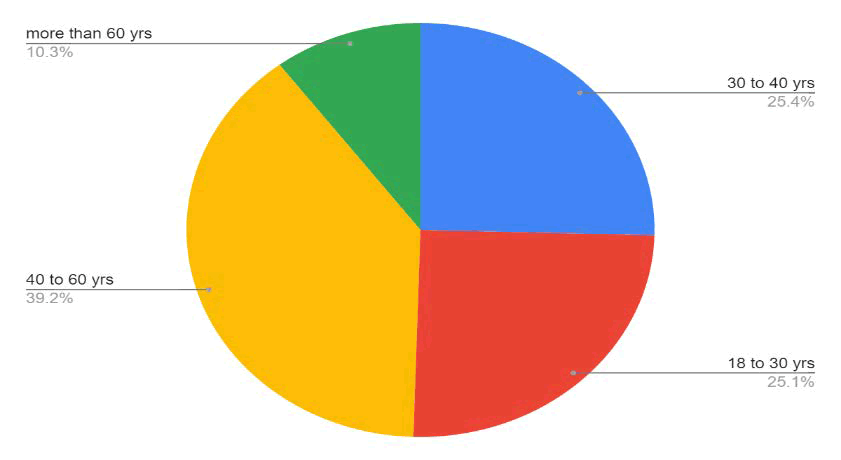
Fig. 1. Graph representing the percentage of age groups of the study participants.
Gender
A total of 311 patients with headache are included in the study as the potential study participants, of these 311 study participants 203 (65.3%) are females and 107 (34.7%) are males. The number of the males and females among the study population are represented in terms of numbers and percentages in (Figure 2). In the present study there is a higher female predominance among the selected study population compared to males in the study population with the female to male ratio of 2:1 (Female=2, Male=1).
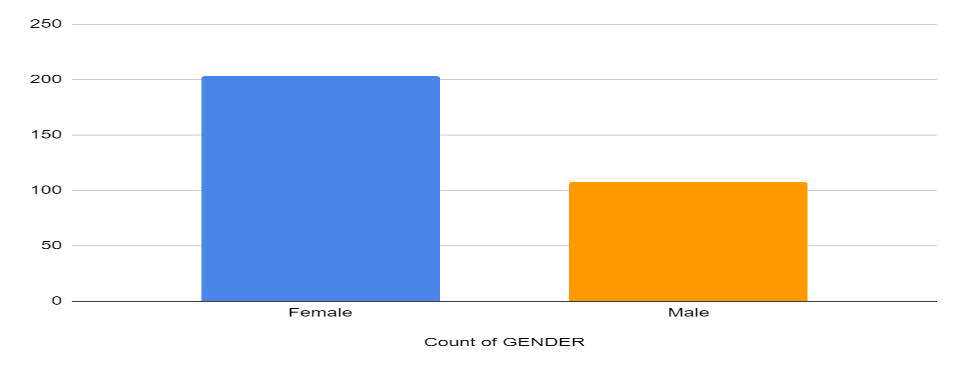
Fig. 2. Graph representing the percentage of male and female among the study participants.
Occupation
Out of total number of patients enrolled in the study majority of the patients was found to be student (33.3%), followed by housewife (31.6%) (Figure 3).
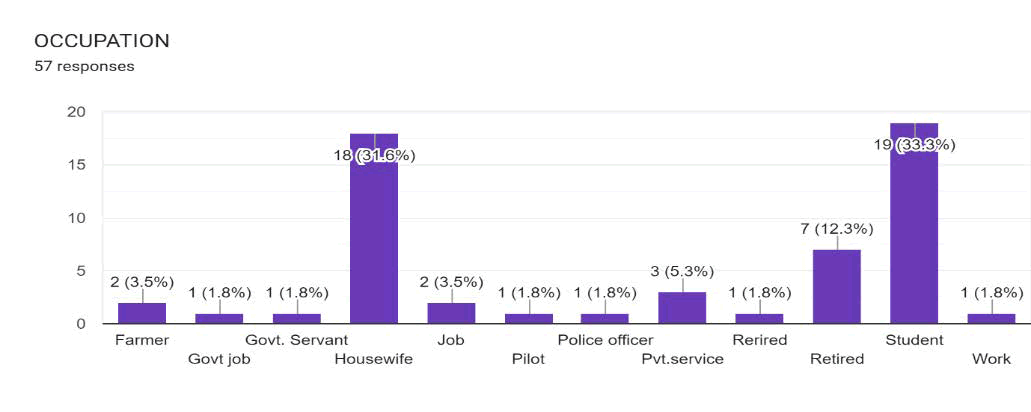
Fig. 3. Graph representing the percentage of occupation among the study population.
Family history
Among the 311 study participants only 146 (46.9%) patients had a family history of headache. Whereas other 165 (53.1%) patients had no family history of headache (Figure 4).
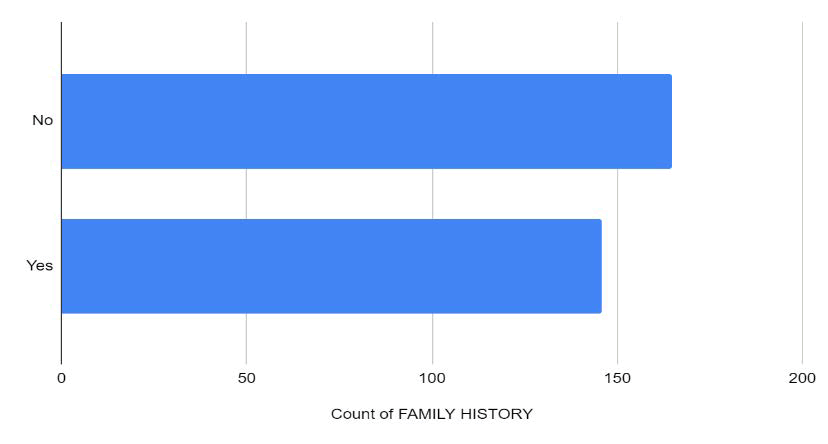
Fig. 4. Graph representing the percentage of family history of study population.
More than one type of headache
Among 311 study participants only 249 (80.1%) patients representing not more than one type of headache whereas 62 (19.9%) patients had more than one type of headache (Figure 5).
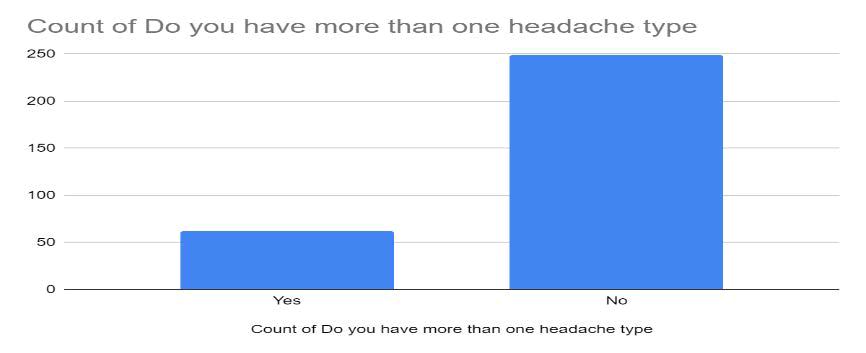
Fig. 5. Graph representing the number of more than one type of headache.
Type of headache
Among 311 study participants, cases 187 (60.1%) reported with primary headache, 87 (28%) migraine headache, 10 (3.2%) tension type headache, 9 (2.9 %) secondary headache, 7 (2.3%) pulsating headache, 5 (1.6%) vascular headache, 4 (1.3%) cluster headache, 1 (0.3%) pain in eye ball and hypnic headache etc. (Figure 6).
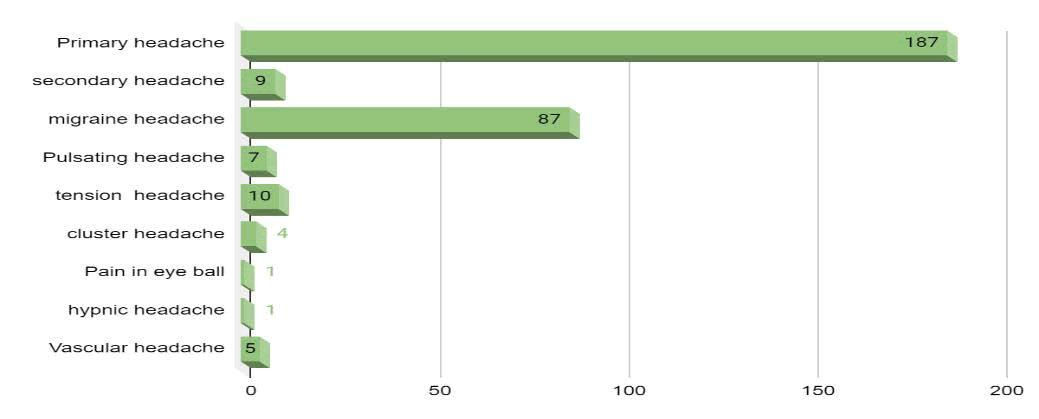
Fig. 6. Graph representing the type of headache reported in the study.
Period of headache
From the 311 study participants, most of the patients suffering headache from years cases 193 (62.1%), followed by from years cases 79 (25.4%), from weeks found to be 37 (11.9) (Figure 7).
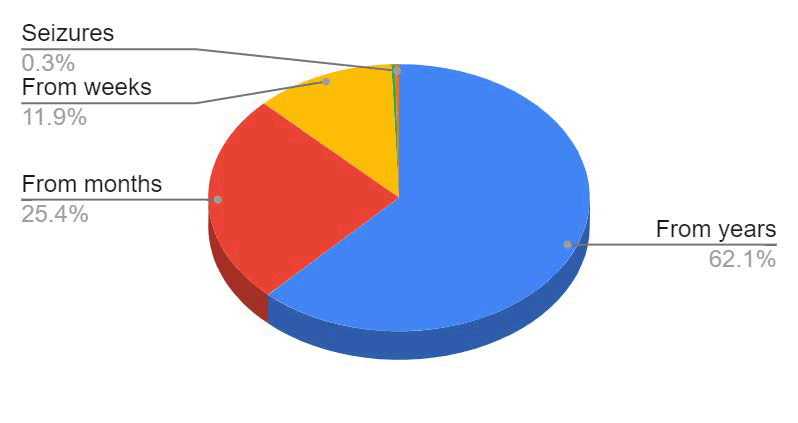
Fig. 7. Graph representing the period of headache.
Pain regions of headache
Out of 311 participants, maximum number of patients were suffering from frontal region of headache 152 (48.9%), occipital region 54 (17.4%), unilateral region 38 (12.2%), temporal and parietal region 42 (13.5%) (Figure 8).
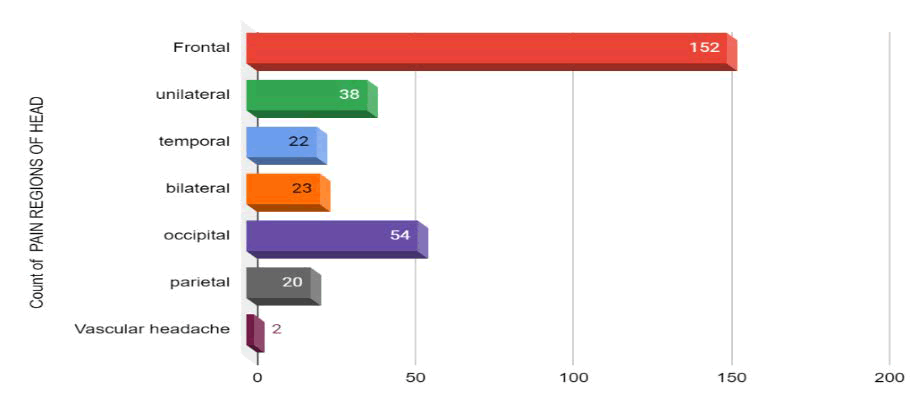
Fig. 8. Graph representing the pain region of headache in study population.
Provoking factors
Out of 311 participants, most common stress level is from home 181 (58.2%), followed by work 102 (32.9%), and least stress level in college, studies, anxiety etc. 11(3.6%) respectively (Figure 9) [11-15].
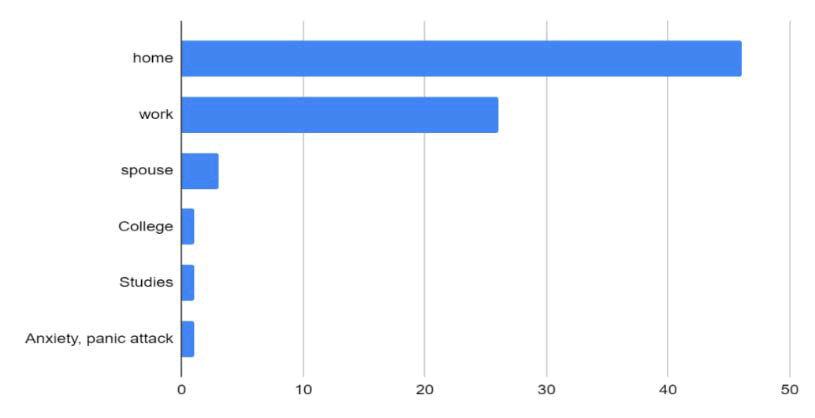
Fig. 9. Graph representing the stress level in study population.
Environmental
Most commonly provoked by sunlight 151 (48.5%), weather changes 108 (34.7%), allitude 30 (9.9%). Allergies and sound 18 (6%)are the least provoking factors in the study population (Figure 10).
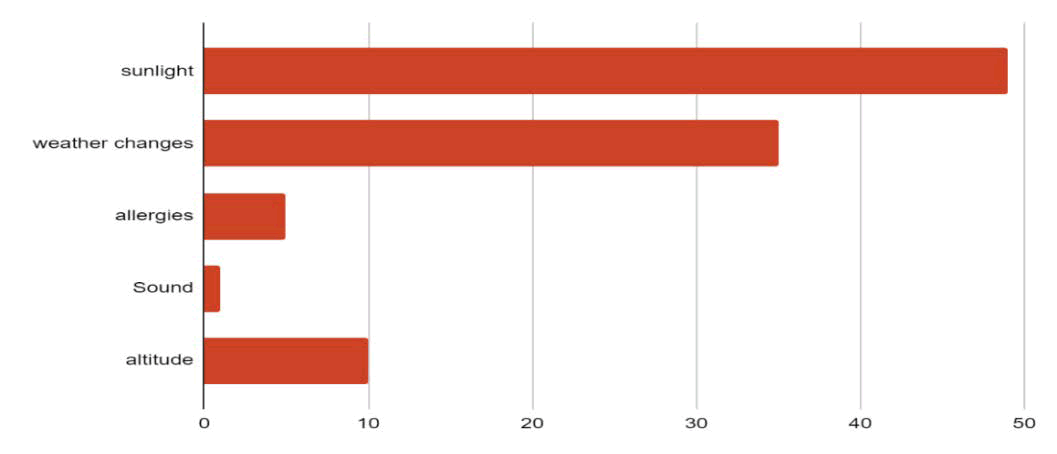
Fig. 10. Graph represnting the environmental provoking factors.
Sleep
Out of 311 study participants, majority of patients were change in sleep cycle 240 (77.2%), followed by too much of sleep 9 (2.9%), lack of sleep 62 (19.9%) (Figure 11).
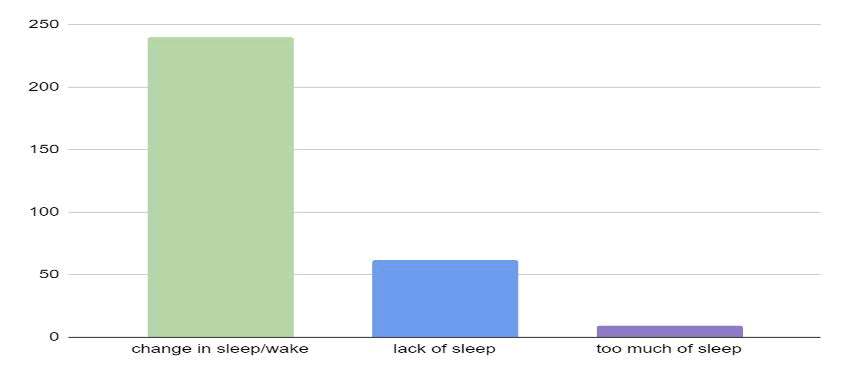
Fig. 11. Graph representing the sleep reported in the study.
Treatment
The strategy for the management of a particular headache mainly depends on the type of the disease, age of the patient and sometimes also based on the gender. The treatment approach is mainly dependent on the mechanism of pathogenesis of the headache. The first line treatment for the management of headache is nonsteroidal anti-inflammatory drug followed by combination therapy with beta blockers and sometimes may also include use of tripans. The medications prescribed in the treatment of headache in the study are presented in various treatment approaches were implemented in the management of headache in the study, which included the mono-therapy regimen, dual therapy regimen and in some condition’s combination of more than two regimens were also followed. 93 (29.9%) patients were prescribed with topiramate 25 mg (1-0-1) used in the management of headache encountered in the migraine acts on the voltage dependent sodium channels, enhancement of GABA, decrease in glutamate and inhibition of carbonic anhydrase. 83 (26.8%) patients preferred propranolol 40 mg (1-0-1) a nonselective beta adrenergic receptors antagonist functions by blocking preventing the dilation of blood vessels and stabilizing serotonin levels. 57 (18.3%) patients were prescribed with Flunarizine 5 mg (1-0-0) is a calcium antagonist that also inhibit sodium channels. It is claimed to be cerebro-selective calcium channel blocker, may benefit migraine by reducing intracellular calcium overload by reducing excessive transmembrane calcium influxes.
Discussion
Over 3 months of period, data was collected using a specialized designed data collection form. Out of 311patients enrolled in the study, 203 (65.3%) are females and 107 (34.7%) are males. Hence the comparative assessment revealed that females were slightly more at the risk of developing headache. In the present study there is a higher female predominance among the selected study population compared to males in the study population with the female to male ratio of 2:1 (Female=2, Male=1).
Conclusion
The study on evaluation of differential diagnosis with prescribing patterns of drugs in headache disorders is intended to understand the spectrum of headache disorder and their differential diagnosis and prescription pattern. The study findings conclude that headache is the most prevalent disorder among the study population, and with the greater prevalence of female population and among the young adults between the age of 18 – 30 years of age. The study points out at certain risk factors like CNS and family history of headache disorders, stress that provokes the risk of development of headache disorders. These results are significant and are beneficial to generate guidelines for the prevention and treatment of headache disorders among the susceptible groups.
Acknowledgement
The authors would like to thank the patients for the support in collecting information required. We would like to thank Mrs. Jamuna TR, Associate professor and HOD department of pharmacy practice, Mallige college college of pharmacy and Dr. B.P Mruthyunjayanna Consultant neurologist for their continuous support and guidance in completing the work.
References
- Evlice A, Genç H, Uluduz D, et al. Secondary headache disorders in Turkey, the Middle East, Asia, and Africa: A cross-sectional, multicenter study. Cephalalgia. 2023;43.
[Crossref] [Google Scholar] [PubMed]
- The International Classification of Headache Disorders, 3rd edition (beta version). Cephalalgia 2013;33:629-808.
[Google Scholar]
- Huang TC, Wang SJ. The international classification of headache disorders (ICHD-3 Beta Version). 2017;15. [Crossref]
[Google Scholar]
- Katsarava Z, Buse DC, Manack AN, et al. Defining the differences between episodic migraine and chronic migraine. Curr Pain Headache Rep. 2012;16:86-92.
[Crossref] [Google Scholar] [PubMed]
- Anheyer D, Leach MJ, Klose P, et al. Mindfulness-based stress reduction for treating chronic headache: A systematic review and meta-analysis. Cephalalgia. 2019;39:544-555.
[Crossref] [Google Scholar] [PubMed]
- Steiner TJ, Stovner LJ, Jensen R, et al. Migraine remains second among the world’s causes of disability, and first among young women: findings from GBD2019. J Headache Pain. 2020;21:1-4.
[Crossref] [Google Scholar] [PubMed]
- Dresler T, Caratozzolo S, Guldolf K, et al. Understanding the nature of psychiatric comorbidity in migraine: a systematic review focused on interactions and treatment implications. J Headache Pain. 2019;20:1-7.
[Crossref] [Google Scholar] [PubMed]
- Corchs F, Mercante JP, Guendler VZ, et al. Phobias, other psychiatric comorbidities and chronic migraine. Arq Neuropsiquiatr. 2006;64:950-953.
[Crossref] [Google Scholar] [PubMed]
- Caponnetto V, Deodato M, Robotti M, et al. Comorbidities of primary headache disorders: a literature review with meta-analysis. J Headache Pain. 2021;22:1-8.
[Crossref] [Google Scholar] [PubMed]
- Buse DC, Greisman JD, Baigi K, et al. Migraine progression: a systematic review. Headache. 2019;59:306-338.
[Crossref] [Google Scholar] [PubMed]
- Feigin VL, Nichols E, Alam T, et al. Global, regional, and national burden of neurological disorders, 1990–2016: a systematic analysis for the Global Burden of Disease Study 2016. Lancet Neurol. 2019;18:459-480.
[Google Scholar]
- Naber WC, Fronczek R, Haan J, et al. The biological clock in cluster headache: a review and hypothesis. Cephalalgia. 2019;39:1855-1866.
[Crossref] [Google Scholar] [PubMed]
- García-Azorín D, Farid-Zahran M, Gutiérrez-Sánchez M, et al. Tension-type headache in the Emergency Department Diagnosis and misdiagnosis: The TEDDi study. Sci Rep. 2020;10:2446.
[Crossref] [Google Scholar] [PubMed]
- Tiseo C, Vacca A, Felbush A, et al. Migraine and sleep disorders: a systematic review. J Headache Pain. 2020;21:1-3.
[Crossref] [Google Scholar] [PubMed]
- Lee HJ, Lee JH, Cho EY, et al. Efficacy of psychological treatment for headache disorder: a systematic review and meta-analysis. J Headache Pain. 2019;20:1-6.
[Crossref] [Google Scholar] [PubMed]