Flyer

Annals of Clinical and Laboratory Research

  • ISSN: 2386-5180
  • Journal h-index: 19
  • Journal CiteScore: 5.42
  • Journal Impact Factor: 4.64
  • Average acceptance to publication time (5-7 days)
  • Average article processing time (30-45 days) Less than 5 volumes 30 days
    8 - 9 volumes 40 days
    10 and more volumes 45 days
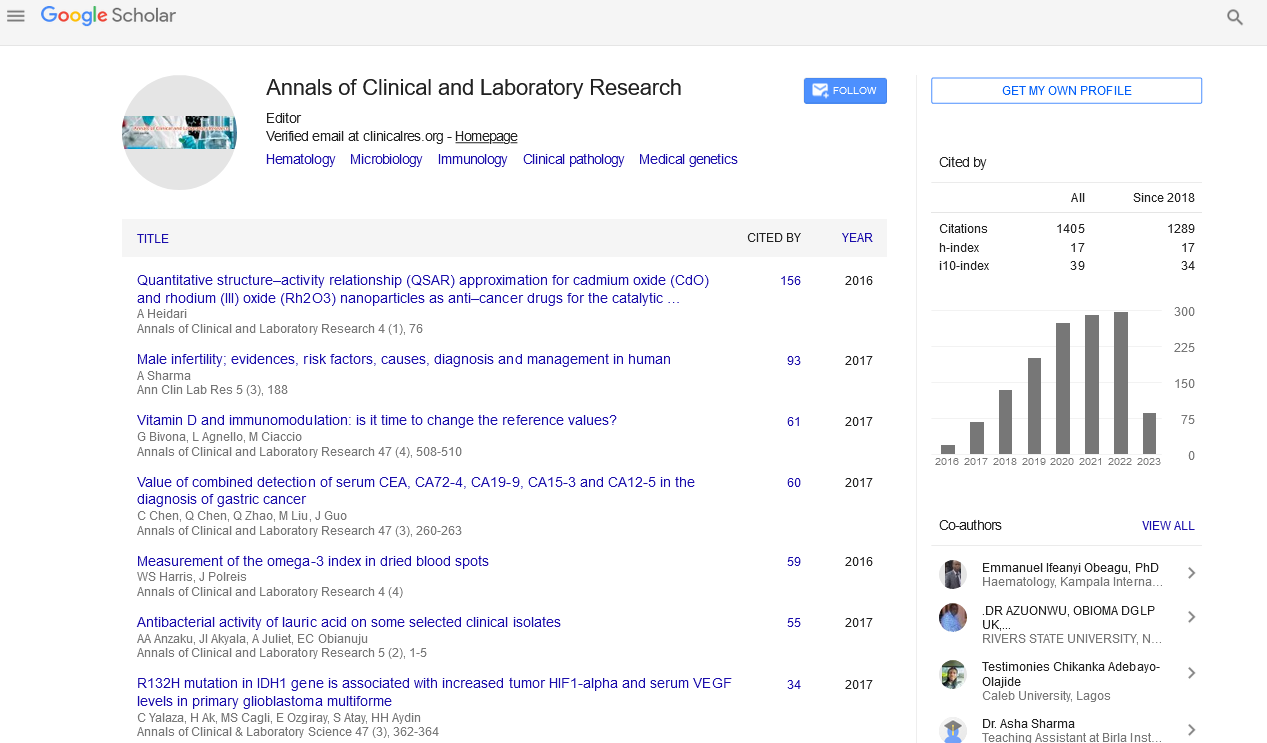
Awards Nomination
Indexed In
  • Genamics JournalSeek
  • China National Knowledge Infrastructure (CNKI)
  • CiteFactor
  • Directory of Research Journal Indexing (DRJI)
  • Publons
  • Euro Pub
  • Google Scholar
  • SHERPA ROMEO
  • Secret Search Engine Labs
  • Zenodo
Share This Page

Mini Review - (2025) Volume 0, Issue 0

Characteristics and Treatment of Juvenile Myasthenia Gravis

Hideki Shimomura*, Sachi Tokunaga and Naoko Taniguchi
 
Department of Pediatrics, Hyogo Medical University School of Medicine, Nishinomiya, Hyogo, Japan
 
*Correspondence: Hideki Shimomura, Department of Pediatrics, Hyogo Medical University School of Medicine, Nishinomiya, Hyogo, Japan, Email:

Received: 02-Sep-2025, Manuscript No. IPACLR-25-15758 ; Editor assigned: 04-Sep-2025, Pre QC No. IPACLR-25-15758 (PQ); Reviewed: 17-Sep-2025, QC No. IPACLR-25-15758 ; Revised: 23-Sep-2025, Manuscript No. IPACLR-25-15758 (R); Published: 02-Oct-2025, DOI: 10.36648/2386-5180.25.13.S6.005

Description

Juvenile Myasthenia Gravis (JMG) is a rare autoimmune neuromuscular disorder characterized by the onset of myasthenia gravis before 18 years of age, with clinical features and management strategies that overlap with and diverge from those of adult-onset diseases. JMG most commonly presents with ocular symptoms, such as ptosis and diplopia, but can progress to generalized muscle weakness, including bulbar and respiratory involvement [1,2]. The prevalence of isolated ocular symptoms is higher in prepubertal children and the rate of Acetylcholine Receptor Antibody (AChR-Ab) positivity is lower than that in adults, with significant ethnic and age-related variability. Spontaneous remission is more frequent in children; however, the risk of generalization and myasthenic crisis remains, especially in children with higher AChR-Ab titers or generalized onset [1-3].

Treatment is typically adapted from adult guidelines, with pyridostigmine as the first-line symptomatic therapy, followed by corticosteroids and other immunosuppressants for more severe or refractory cases [4,5]. Thymectomy is considered in selected patients, particularly those with generalized disease or thymoma and recent studies suggest that minimally invasive approaches are safe and may improve outcomes [6]. Newer immunomodulatory agents, such as rituximab and complement inhibitors (eculizumab, ravulizumab), are emerging as options for refractory cases, although pediatric-specific data remain limited [5,7,8]. Despite the favorable long-term prognosis, especially for ocular JMG, considerable heterogeneity exists in the disease course, response to therapy and risk of comorbid autoimmune conditions.

Epidemiology and Clinical Presentation

JMG is rare, with incidence rates ranging from 1 to 5 per million children per year and prevalence estimates vary by region and ethnicity [1,2,9]. Ocular Myasthenia Gravis (MG) is four times more frequent in Asian children and two to three times more frequent in children of African ancestry than in Europeans. Asian children are more likely to have purely ocular Myasthenia Gravis (MG), while European children often progress to generalized disease [10]. Most cases present before puberty, with a slight female predominance at postpubertal onset. Ocular symptoms (ptosis and diplopia) are the most common initial presentations, especially in prepubertal children and Asian populations, whereas generalized weakness is more frequent in older children and among certain ethnic groups. These symptoms tend to exhibit diurnal variations, with exacerbations during the evening hours. However, this manifestation may be less pronounced in pediatric patients [11]. Symptoms worsen with activity and improve with rest. AChR-Ab positivity is observed in 40–80% of cases, with lower rates in younger children and in some ethnicities. Muscle-Specific Kinase (MuSK) antibodies are rare but associated with more severe disease [1,2,9,12]. In some cases, especially in young children, symptoms may be atypical or overlap with other neuromuscular disorders, making early diagnosis challenging [13].

Diagnosis, Course and Prognostic Factors

The diagnostic tests included serological, electrophysiological and pharmacological tests. Approximately 79% of JMG cases are positive for AChR-Abs; however, positivity rates are lower in prepubertal children. MuSK antibodies may be present in patients who test negative for AChR antibodies [2,13]. Repetitive nerve stimulation and single-fiber electromyography can demonstrate impaired neuromuscular transmission, supporting the diagnosis [13]. Improvement of symptoms after the administration of anticholinesterase agents (neostigmine or pyridostigmine) is a supportive pharmacological test. Spontaneous remission occurs in a minority of patients (3-35%), more commonly in ocular JMG and prepubertal onset, but relapses are possible. Generalization from ocular to generalized MG occurs in 10-25% of cases, typically within the first 2 years. The risk factors for generalization and poor outcomes include higher AChR-Ab titers, generalized onset and longer disease duration before treatment. Comorbid autoimmune diseases, particularly thyroid disorders, are reported in up to one-third of patients [2,3,9,14].

Treatment Modalities and Outcomes

The first-line therapy is pyridostigmine with corticosteroids (prednisone/prednisolone) for insufficient response or generalized disease. Immunosuppressants, such as azathioprine, mycophenolate mofetil and tacrolimus, are used as steroid-sparing agents or in refractory cases [1-4,15]. Although oral medications are often effective, the available evidence regarding dosage escalation methods, treatment duration and discontinuation protocols remains limited. Our previous study indicated that at least 33 months of oral treatment is required [16]. Rituximab has shown efficacy and good tolerability, particularly when used early in antibody-positive generalized JMG [5,17]. Eculizumab and ravulizumab complement inhibitors have demonstrated benefits in small pediatric cohorts with refractory disease [7,8]. Thymectomy is considered for generalized JMG, thymoma, or persistent symptoms, with evidence supporting improved remission rates and steroid-sparing effects, especially with early intervention and minimally invasive approaches [4,6,18]. Plasma exchange and intravenous immunoglobulin are reserved for myasthenic crises or perioperative management, with plasmapheresis showing a more consistent response [2,4,12].

Long-Term Outcomes and Complications

The long-term prognosis is favorable, with 24-66% of patients achieving complete or pharmacologic remission and most patients experience significant improvement. Ocular JMG has a higher remission rate and a lower risk of generalization than generalized JMG [1,2,9,19]. Adverse effects of therapy, particularly growth retardation due to steroids and the risks of immunosuppression, are important considerations in children [2-4]. Persistent ophthalmoplegia and amblyopia are notable complications, especially in African and Asian populations [1,14,20].

References

Citation: Shimomura H, Tokunaga S, Taniguchi N (2025) Clinical Characteristics and Treatment of Juvenile Myasthenia Gravis. Ann Clin Lab Vol. 13 No.S6:005

Copyright: © 2025 Shimomura H, et al. This is an open-access article distributed under the terms of the Creative Commons Attribution License, which permits unrestricted use, distribution and reproduction in any medium, provided the original author and source are credited.